PART OF THE AQUACULTURE GLOSSARY
A biofilter is the heart of a healthy pond. It’s where good bacteria live and turn deadly fish waste into something safe. This happens quietly, all day, every day, once it’s set up right.
What’s Really Happening Inside
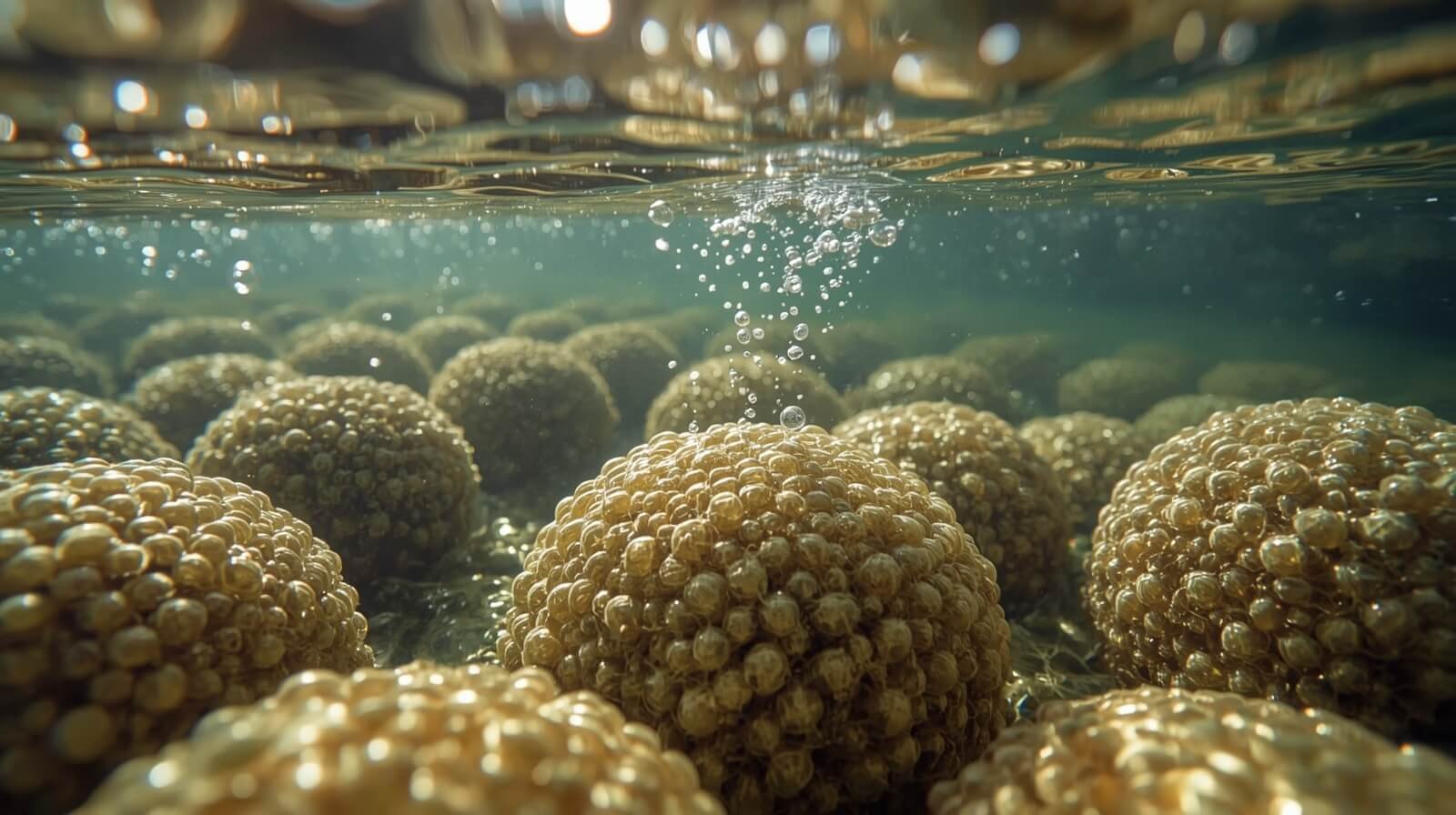
A biofilter is a box or chamber packed with media. This could be foam blocks, bio-balls, lava rock, or ceramic rings. The goal is simple: lots of surface area in a small space. Water flows through, and bacteria grow on every surface they can reach. These bacteria drive the nitrogen cycle. They turn ammonia into nitrite. Then they turn nitrite into nitrate.
Biofilter vs. Mechanical Filtration
People often mix these up. They do different jobs:
- Mechanical filtration – catches things you can see, like leaves and food bits
- Biofilter – handles what you can’t see, like dissolved ammonia
Most ponds need both. A biofilter clogged with debris won’t work well, so mechanical filtration should catch the big stuff first.
Why Media Choice Matters
Not all filter media is equal. Some types pack in far more surface area than others. Porous ceramic media and fine foam beat plain gravel by a lot. This matters because more surface area means more room for bacteria to grow. Simply upgrading your media, without changing anything else, can help your pond hold more fish safely.
Starting a New Biofilter
A brand-new biofilter has no bacteria in it yet. That colony has to grow from nothing. This is why new ponds need time to cycle before you add lots of fish. One shortcut: take a piece of media from an already-healthy pond. Put it in your new filter. This gives the bacteria a head start instead of starting from zero.
How to Clean a Biofilter Without Ruining It
This is where most damage happens. Not from neglect, but from cleaning too hard. Follow these rules:
- Never rinse media in tap water. Chlorine kills the bacteria you need.
- Rinse gently using pond water instead.
- Clean only part of the media at a time, not all of it at once.
These steps keep your bacteria colony alive, even during routine cleaning.
Signs Your Biofilter Is Too Small
Watch for these warning signs:
- Ammonia or nitrite keeps showing up, even with no clear cause
- Water never gets fully clear, even with good mechanical filtration
- Ammonia spikes keep coming back after you add more fish
Any of these mean your biofilter may not match your pond’s real bioload.
How Much Biofilter Do You Need?
There’s no single magic number. But here’s a good test: your biofilter should bring ammonia down to zero within about 24 hours after normal feeding. If it can’t do that, it’s probably too small for how many fish you have. Bigger, more crowded ponds need more biofilter capacity, not just a stronger pump.
Using Multiple Filter Stages
Larger or heavily stocked ponds sometimes filter water in stages:
- Coarse media first, to handle the bulk of the work
- Fine media second, to polish the water further
This spreads bacteria across more total surface area. It also makes cleaning easier, since you can clean one stage without disturbing the other.
Troubleshooting a Biofilter That Isn’t Working
If ammonia stays high even after months of running your biofilter, check these things:
- Weak or clogged pump not sending enough water through
- Media that’s packed too tight, so water skips around it instead of through it
- A recent hard cleaning that reset your bacteria colony
Check the actual flow through the media, not just at the pump. This often reveals the real problem.
Related Terms
Nitrogen Cycle · Mechanical Filtration · Cycling · Zeolite