When your pond’s dissolved oxygen levels fall, your fish run out of room for error—soaring to the surface, moving sluggishly, or falling ill become telltale signs. Oxygen isn’t just a nice add-on in pond care; it’s the engine behind every healthy ecosystem. Every fish, plant, and beneficial bacterium depends on it. Without it, toxic gases accumulate, algae thrive, and water clarity plummets.
That’s why choosing a pond pump for oxygenation matters. A well-designed pump doesn’t only circulate water; it injects life into stagnant zones, restoring balance and vitality. As described in Aquascape’s “Aerate a Pond: A Complete How-To Guide,” proper circulation and aeration play a critical role in keeping oxygen distributed evenly through the pond water.
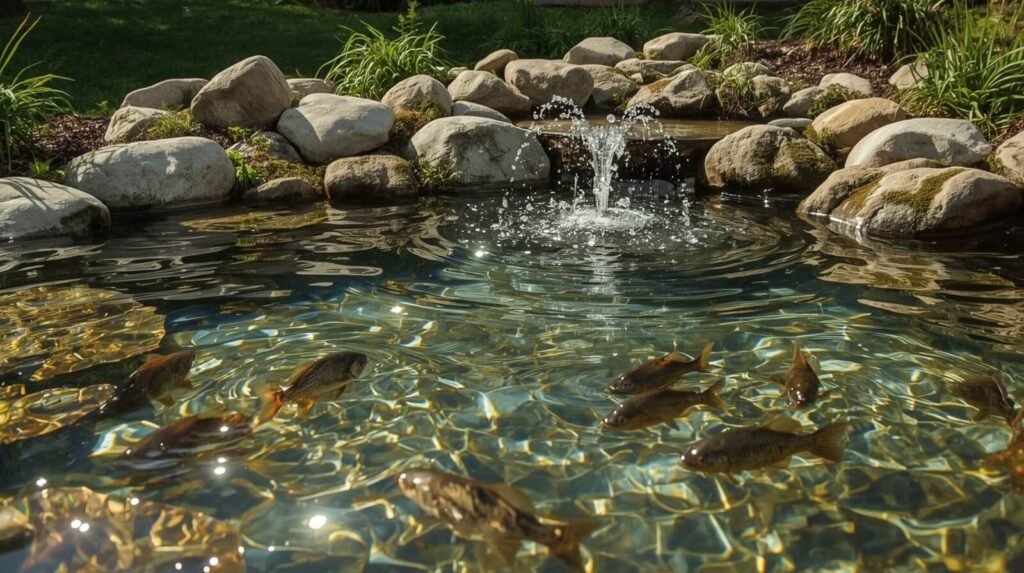
In this guide, you’ll learn how pond pumps restore oxygen fast, discover top-performing models trusted by pond keepers, and get hands-on installation and maintenance tips to ensure longevity and performance.
Understanding Oxygenation in Ponds
Every healthy pond “breathes,” and that breath comes from dissolved oxygen in the water. When oxygen is plentiful, fish thrive, bacteria work efficiently, and water clarity stays high. But when oxygen drops, the whole ecosystem starts to suffer.
What Happens When Oxygen Levels Drop
When dissolved oxygen falls, fish grow stressed, and essential processes begin to fail. Organic debris like decaying leaves, uneaten food, and waste consume available oxygen before plants and fish can use it. During heat or still nights, stagnant water loses oxygen rapidly — making even small ponds vulnerable.
According to The Pond Guy’s Water Garden Aeration Guide, aeration boosts oxygen levels by circulating water and breaking surface tension, which enhances gas exchange. That’s why installing a pond pump for oxygenation is crucial — it keeps water moving and helps maintain healthy oxygen levels throughout your pond
Signs of Low Oxygen Levels
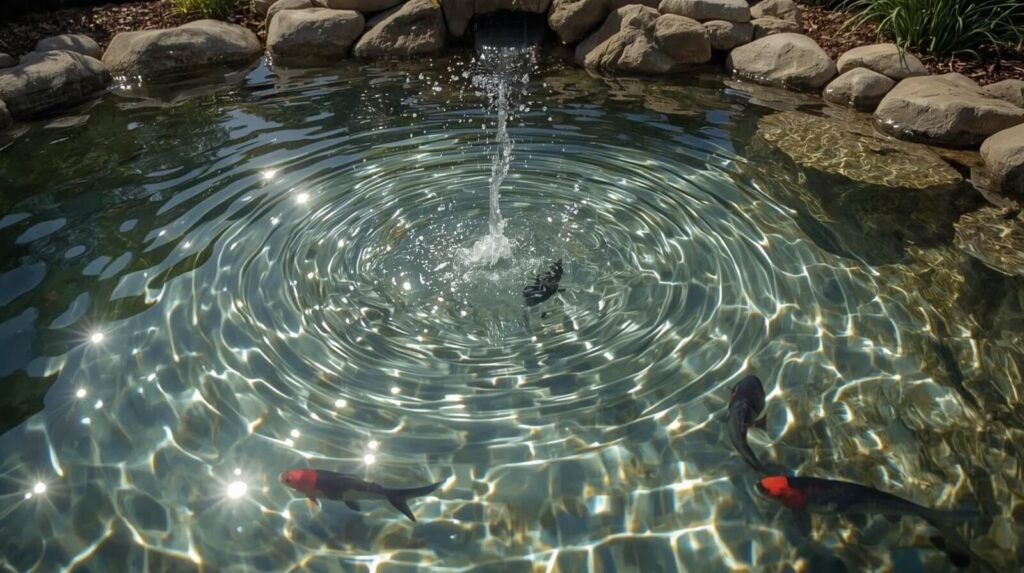
Your pond often sends warning signals long before a crisis hits. Watch for these early signs:
- Fish gasping at the surface, especially in the cool of morning
- A musty or stagnant odor hovering above the water
- Slimy film or algae spreading over rocks and pond sides
- Greenish or cloudy water that won’t clear
When you see these red flags, don’t wait. Take action immediately. A properly chosen pond pump for oxygenation can reverse the decline swiftly — reintroducing clarity, stabilizing oxygen levels, and restoring fish health within a few days.
For a deeper understanding of how aeration affects water quality, see Otterbine’s “Basics of Selecting & Installing Pond Aeration Systems”, which explains how proper circulation and oxygenation systems work together to maintain healthy ponds.
How a Pond Pump Fixes Low Oxygen Fast
The Science Behind It
When oxygen levels plunge, your pond struggles — but a pond pump for oxygenation can turn things around fast. By moving water across the surface, a pump helps open contact between water and air, allowing oxygen to dissolve more effectively. This circulation also prevents heat or cold pockets from forming, keeping the entire pond’s ecosystem stable.
As noted in the Otterbine article “Pond Aeration 101”, good pumps imitate natural flows like streams or waterfalls — creating constant motion that balances oxygen throughout the pond.
Key Benefits of a Pond Pump for Oxygenation
A well-chosen pond pump for oxygenation brings more than aeration — it supports the entire pond’s health:
- Steady Circulation: Oxygen reaches all layers, from surface to bottom.
- Waste Breakdown: Encourages beneficial bacteria to break down fish waste and detritus.
- Algae Control: It disrupts still zones where algae like to settle and grow.
- Healthier Fish: With stable oxygen supply, fish stay lively, resilient, and stress-free.
The Complete Koi blog emphasizes that proper aeration and circulation not only support fish and plants, but also prevent stratification and maintain water quality.
Factors to Consider Before Buying a Pond Pump
Before buying any pond pump for oxygenation, spend time matching the pump’s features to your pond’s needs. Getting the right fit helps avoid wasted power, poor performance, or oxygen deficits later on.
Pond Size and Depth
Your pond’s volume and depth directly affect how much power you’ll need. A deeper pond requires a stronger pump to push oxygen to lower layers. For a rough estimate, use The Pond Guy’s pond calculator to figure out your pond’s water volume and ideal pump size.
For example, in medium ponds with around 1,000–1,500 gallons, a 3000 GPH pump often performs well — delivering sufficient circulation and oxygenation.
Type of Pump
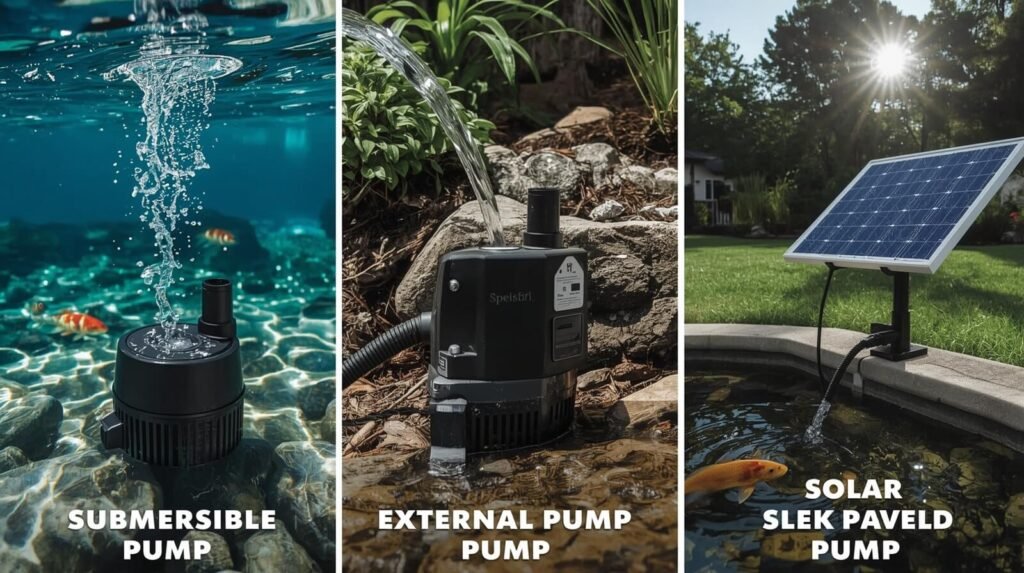
Choosing the right pond pump for oxygenation depends on your pond’s size, depth, and fish load. Here’s a quick breakdown of the main pump types and where each works best.
a) Submersible Pumps
Submersible pumps sit underwater, making them quiet and simple to install — perfect for koi or ornamental ponds. Because water muffles the motor, they run almost silently. The Pond Guy notes that submersible pumps are ideal for small to medium backyard ponds where easy setup and low noise matter most.
b) External Pumps
External (non-submersible) pumps sit outside the pond and deliver stronger flow and pressure. They’re best for large ponds or waterfalls that require consistent high output. Though slightly noisier, their dry placement makes maintenance easy.
c) Solar-Powered Pumps
Solar-powered pumps are eco-friendly and ideal for ponds without electricity access. They work best in sunny areas and small ponds but may slow down on cloudy days. For an in-depth review, visit Arka Energy – Solar Pond Pump Guide (2025).
Energy Efficiency
A pond pump for oxygenation often must run constantly, so choosing one with efficient energy consumption is smart. Models like the VIVOSUN 3000 GPH Submersible are designed to balance high flow with low power use — helping you save on electricity without sacrificing performance.
Maintenance and Durability
Look for pumps designed for easy cleaning and long life. Features such as removable filter covers, pre-filters, or debris-handling impellers simplify upkeep. According to Colorado Pond Pros’ guide to choosing pumps, flow rate, head pressure, and ease of maintenance are key factors you should never ignore.
Noise Level
Especially if your pond is near a seating area or patio, noise level matters. Opt for pumps using silent magnetic drives or sound-dampening casings. A high-performing pond pump for oxygenation should deliver power quietly — so your pond remains a relaxing retreat, not a source of mechanical hum.
Top-Rated Pond Pumps for Oxygenation (2025 Reviews)
If your pond’s oxygen levels keep dropping or your fish seem sluggish, upgrading to a reliable pond pump for oxygenation can make all the difference. Below are some of the most trusted models for 2025 — tested by pond builders, aquaculture professionals, and backyard enthusiasts alike.
AgiiMan 3200 GPH Pond Pump — Trusted Power for Deep Ponds
Why It Stands Out:
Delivering a powerful 3200 GPH flow rate, the AgiiMan Pond Pump is engineered for deeper or larger ponds where water circulation often struggles. Built from anti-corrosion materials, it easily handles debris up to ⅓ inch — making it ideal for natural or slightly murky environments.
It’s highly praised in community reviews on FishKeeping World for its ability to maintain oxygen-rich water during hot seasons when aeration matters most.
Pros:
- Excellent debris handling
- Energy-efficient continuous operation
- Strong and steady water turnover
Best Use Case:
Perfect for ponds with multiple fish species or mild sludge buildup that needs consistent oxygenation.
Read full Review
VIVOSUN 3000 GPH Submersible Water Pump — Reliable for All Seasons
Why It Stands Out:
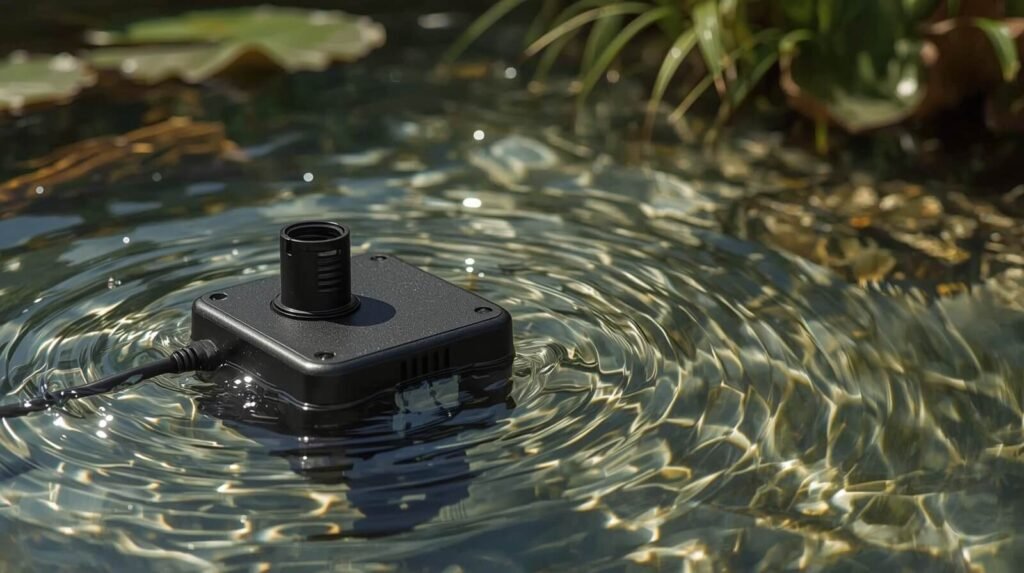
When it comes to year-round reliability, the VIVOSUN 3000 GPH Submersible Pump continues to top reviews. Known for its quiet underwater operation, it’s a go-to choice among DIY pond builders and homeowners who want consistent aeration without constant maintenance.
As noted by Backyard Water Garden, submersible pumps like this one are great for maintaining stable oxygen levels even in freezing or low-water conditions.
Pros:
- Adjustable flow rate
- Whisper-quiet performance
- Easy to disassemble and clean
Best Use Case:
Ideal for medium-sized garden ponds that require steady water movement year-round — even during seasonal changes.
Read full review here:
100W 1800 GPH Submersible Pump — Budget-Friendly and Powerful
Why It Stands Out:
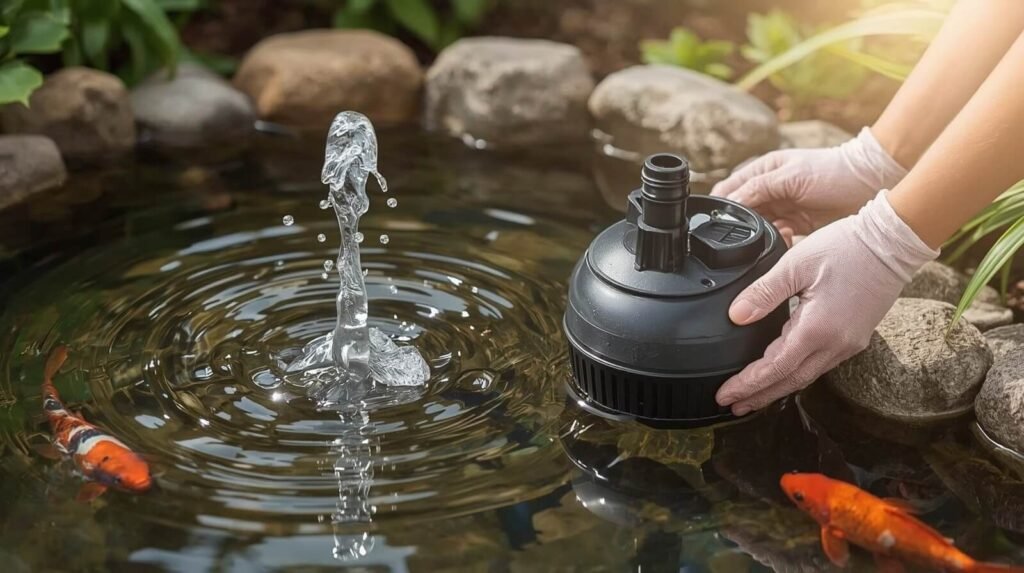
If you’re looking for an affordable yet efficient pond pump for oxygenation, the 100W 1800 GPH model is a solid pick. Despite its compact design, it moves up to 1800 gallons per hour — enough to keep small koi or ornamental ponds bubbling with life.
Experts at Pond Informer highlight how smaller pumps can still effectively maintain dissolved oxygen levels when used with proper pond aeration techniques.
Pros:
- Budget-friendly price
- Lightweight and portable
- Great for beginners or smaller water gardens
Best Use Case:
New pond owners who want to improve fish health and water clarity without overspending on professional-grade pumps.
If you’re considering sustainable options, Pond Informer’s article on How to Oxygenate a Pond Without Electricity shares smart backup aeration tips—especially helpful when using solar or hybrid systems.
Read full Review here:
Honda 2″ Petrol Water Pump — Rugged Outdoor Performance
Why It Stands Out:
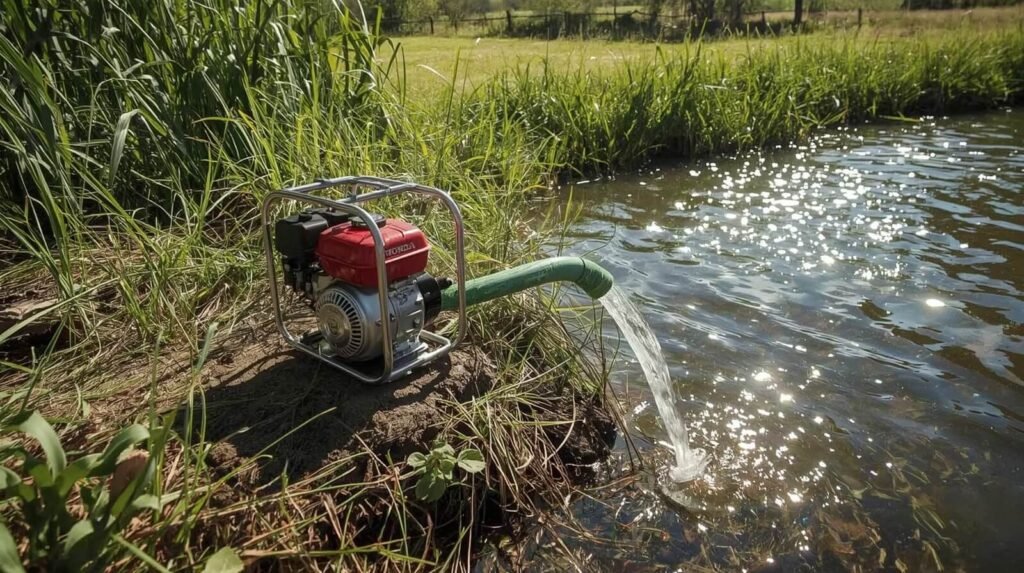
For large-scale operations or off-grid locations, the Honda 2″ Petrol Water Pump offers unmatched reliability and mobility. This self-priming powerhouse handles muddy water and debris efficiently, making it indispensable for fish farms or natural ponds far from electricity.
According to The Pond Guy’s article Protecting Your Koi Pond in a Power Outage, maintaining aeration during outages is vital — portable petrol pumps or generators can safeguard your pond when oxygen levels drop unexpectedly.
Pros:
- Heavy-duty, long-lasting construction
- High discharge capacity
- Great for large or remote ponds
Best Use Case:
Perfect for farm ponds or remote areas needing flexible, high-volume oxygenation on demand.
Read full Review:
Boosting Oxygen Beyond the Pump
Think of your pond pump for oxygenation as the hero of your water garden — constantly circulating, refreshing, and keeping your fish alive. Yet, even the best pump performs far better when supported by nature and a few smart maintenance habits. True oxygen balance isn’t achieved by machinery alone; it’s the harmony between plants, water movement, and biological health.
1. Add Aquatic Plants for Natural Oxygenation
Adding aquatic plants such as hornwort, anacharis, and water wisteria not only enhances your pond’s beauty but also helps it breathe naturally. These plants release oxygen during the day, supporting fish health and the beneficial bacteria that keep your water balanced. At the same time, they absorb excess nutrients like nitrates and phosphates, which helps reduce algae growth and prevent cloudy water.
Healthy plant growth also acts as a natural stabilizer, maintaining steady oxygen levels even during warmer months when oxygen tends to drop. According to Living Water Aeration’s guide on the best oxygenating pond plants, fast-growing submerged plants are the most effective for maintaining clear, oxygen-rich water. They also create shaded zones and safe hiding places for smaller fish, supporting a more balanced, thriving pond ecosystem.2. Use Waterfalls and Fountains for Surface Agitation
2. Use Waterfalls and Fountains for Surface Agitation
Water movement means more oxygen — and healthier fish. Installing waterfalls, fountains, or aeration stones keeps your pond lively and well-aerated. As explained in Mechanical & Biological Filtration Explained – The Pond Guy, moving water continuously breaks surface tension, helping oxygen mix evenly throughout the pond. This steady oxygen flow not only supports fish and plants but also prevents stagnant zones where harmful gases can accumulate. Plus, the gentle sound and motion of falling water bring a soothing, natural touch to your pond environment, blending beauty with function.
3. Keep Filters Clean and Flowing
A clogged or dirty filter restricts circulation and reduces oxygen delivery. Rinse your filter pads in pond water—not tap water—to preserve the beneficial bacteria that support your pond’s ecosystem. Regular cleaning ensures your pond pump for oxygenation runs smoothly and prevents ammonia spikes caused by decomposing waste.
4. Avoid Overstocking Your Pond
Too many fish can quickly deplete dissolved oxygen in your pond. A reliable guideline is one inch of fish per 10 gallons of water. When overcrowded, fish produce more waste, which increases ammonia and reduces oxygen—especially overnight when plants also consume oxygen.
As The Pond Guy’s guide on How to Tell If Your Pond Is Properly Aerated explains, poor aeration and overstocking are major causes of oxygen crashes in warm weather. Keeping your pond lightly stocked and well-aerated helps maintain stable oxygen levels and healthier fish.
The Bigger Picture: Balance and Oxygen Harmony
As emphasized in Memeilo’s guide to balancing the nitrogen cycle, true pond health depends on maintaining balance among plants, fish, and bacteria. When all three work together, oxygen levels remain stable — even during temperature swings or feeding spikes.
How to Install Your Pond Pump for Maximum Oxygenation
Setting up your pond pump for oxygenation correctly can make all the difference between a pond that merely looks good and one that truly thrives. Proper placement, depth, and circulation help your pump deliver steady oxygen flow across the entire pond — keeping your fish healthy and your water crystal clear. Let’s break it down step by step.
1. Choose the Right Location
Begin by positioning your pond pump where water movement is weakest. This placement helps eliminate stagnant zones where debris and low oxygen tend to accumulate. As explained in The Pond Guy’s MagFlo Series Pump Guide, setting the pump opposite a waterfall, fountain, or return line allows water to circulate more evenly. This simple step keeps oxygen levels balanced and ensures that every corner of your pond stays clear, fresh, and healthy for both plants and fish.
2. Secure the Depth Placement
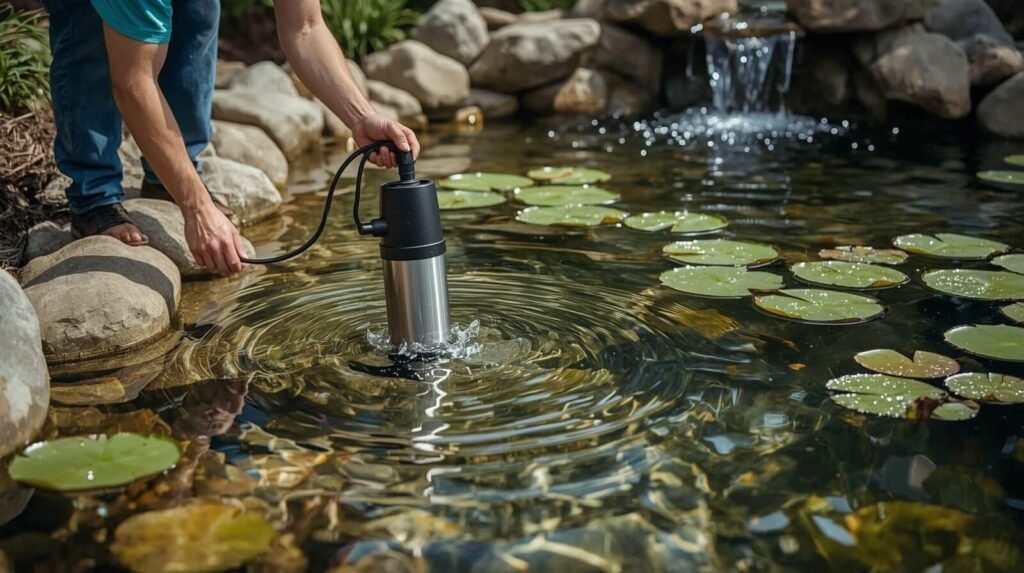
For submersible pumps, positioning matters just as much as location. Keep the pump 6–12 inches above the pond floorto prevent clogging from silt or debris. You can elevate it using a flat stone or plastic crate. This setup not only protects the impeller but also ensures continuous, efficient water intake — essential for strong oxygen flow.
3. Add an Air Stone or Waterfall Feature
To further boost oxygen in your pond, pair your pump with an air stone, fountain heads, or a waterfall feature. These enhancements promote surface agitation, which helps more oxygen dissolve into the water. As outlined in Aquascape’s article “Why Every Pond Contractor Should Include Aeration Systems in Their Designs,” consistent aeration reduces stress on fish and supports healthy bacterial activity by improving gas exchange.
4. Check Hose Connections and Fittings
Next, inspect all hose and tubing connections. Tight seals prevent leaks, maintain steady pressure, and ensure your pump doesn’t lose power mid-flow. A secure line also reduces the risk of air pockets, which can disrupt consistent oxygen delivery. For best results, use hose clamps and PVC-safe fittings designed for pond environments.
5. Keep the Pump Running Continuously
Keep your pond pump running day and night, especially in warmer months when oxygen levels drop. Continuous circulation prevents stagnation, supports beneficial bacteria, and maintains a balanced ecosystem. As Pond Informer’s guide on pond oxygenation explains, even brief pauses in water movement can cause oxygen dips that stress fish and slow filtration.
Maintenance Tips to Keep Your Pond Pump Running Smoothly
Keep your pond pump for oxygenation efficient and long-lasting with these simple care steps:
- Rinse filters with pond water, not tap water.
→ Tap water kills beneficial bacteria. Use pond water to preserve the natural biofilter. - Inspect the pump weekly for debris.
→ Remove leaves, algae, and sludge that block flow and strain the motor. - Avoid running the pump dry.
→ Always ensure it’s submerged before switching on to prevent overheating. - Protect your pump during winter.
→ If your pond freezes, clean and store the pump indoors to prevent cracking or impeller damage. - Clean filters regularly.
→ A clogged filter limits oxygen flow — quick rinses keep circulation strong. - Follow proper care routines.
→ For detailed steps, check Memeilo’s Pond Filter Maintenance Tips to clean safely without harming the nitrogen cycle.
Common Mistakes to Avoid When Using a Pond Pump for Oxygenation
Even the best pond pump for oxygenation won’t perform well if used incorrectly. Avoid these common mistakes to keep your water healthy and your fish thriving:
- Installing too close to the surface: Place your pump deeper to circulate oxygen evenly and prevent stagnant lower zones.
- Over-cleaning filters: Rinse filters in pond water, not chlorinated tap water, to preserve helpful bacteria.
- Choosing an underpowered pump: Match the pump’s flow rate to your pond’s volume—ideally circulating all the water every hour.
- Ignoring flow direction: Aim the output toward still areas to avoid dead zones where oxygen can’t reach.
Conclusion — Let Oxygen Bring Your Pond to Life
A well-oxygenated pond is more than clear water — it’s a living, breathing ecosystem. The right pump keeps that balance steady, ensuring your fish thrive and your water stays pure.
With consistent testing, simple maintenance, and a quality pond pump, you’ll enjoy a healthier, livelier pond all year long.
Suggested related reads:
- “Pond Liner Installation Guide: 10 Quick Wins for Builders”
- “Safeguard Happy Fish: Balance Your Pond’s Nitrogen Cycle”
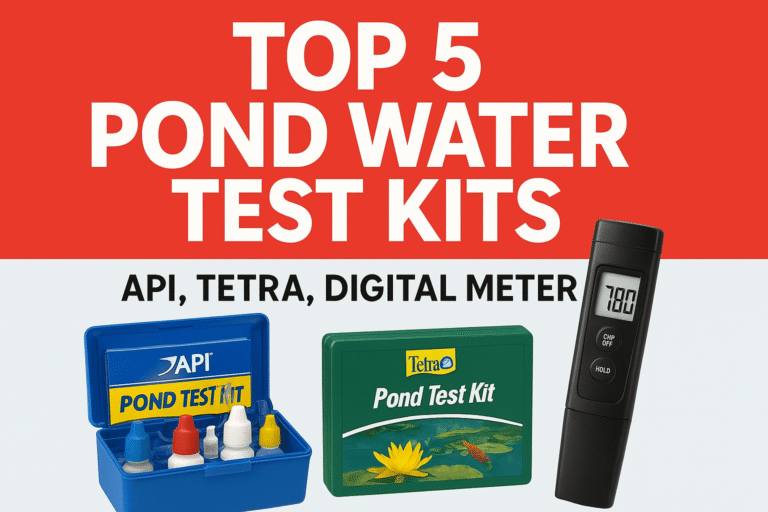
- “Choosing the Right Test Kit for Your Pond”