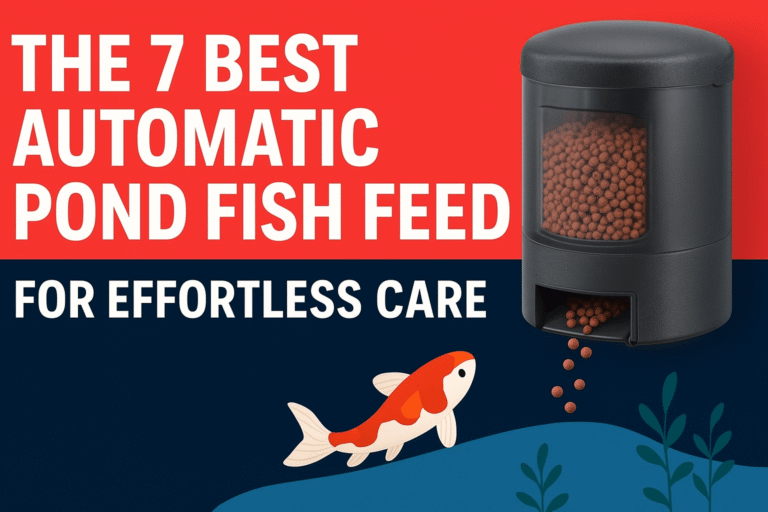
When I took my first weekend getaway, I thought feeding my fish a little extra before leaving would be enough. But when I got home, the pond was cloudy, and my fish looked dull and tired. That experience taught me something valuable: learning how to feed fish on vacation is not about giving them more — it’s about feeding them smarter.
Every pond owner faces this challenge sooner or later — how to keep fish healthy while you’re away. Do you rely on a vacation feeder? Add a block of food? Ask a friend to stop by? Or simply trust that your fish will manage on their own?
In this 2025 guide, you’ll discover the best methods to feed fish while on vacation — from automatic fish feeders and slow-release food blocks to natural pond balancing that sustains your ecosystem effortlessly. We’ll also explore how long fish can go without food, the dangers of overfeeding before travel, and simple tricks to keep your water clear until you return.
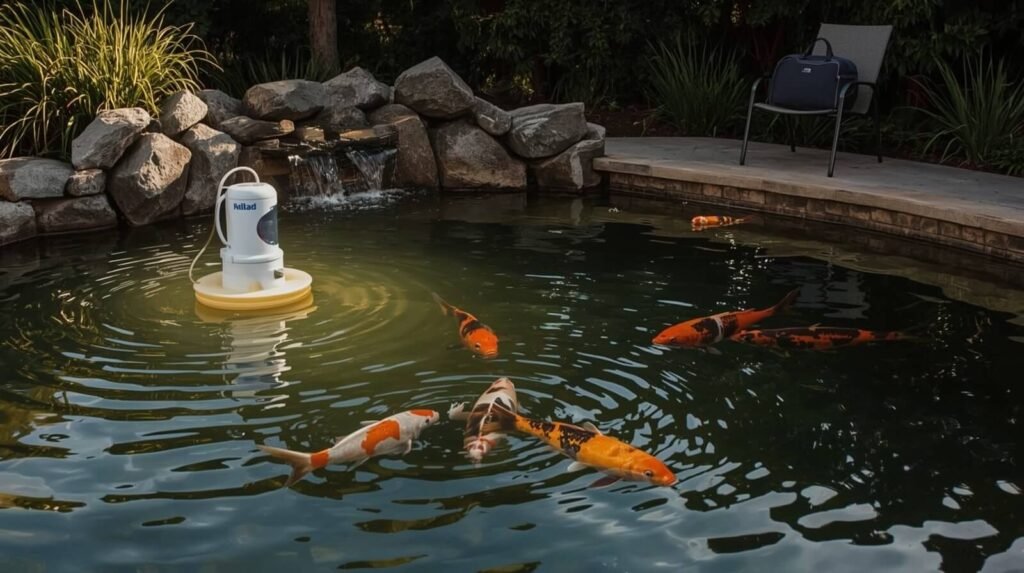
How to Feed Fish on Vacation Without Stress
If you’re planning time away, one of the biggest worries for any pond owner is how to feed fish on vacation without risking their health. The good news? Fish are more resilient than most people think.
According to Aquarium Co-Op’s guide on vacation fish care, healthy adult fish can go several days — even up to a week — without food, depending on their species, size, and water temperature. Their metabolism naturally slows when food is scarce, so skipping a few feedings won’t harm them.
However, for longer absences, feeding strategies become essential. Automatic fish feeders, slow-release vacation blocks, or pre-portioned meals are all reliable options. The goal is to maintain consistent nutrition without polluting the water— overfeeding can quickly spike ammonia levels and stress your fish.
Pro Tip: Do a small water change and clean filters a few days before leaving to keep conditions stable during your trip.
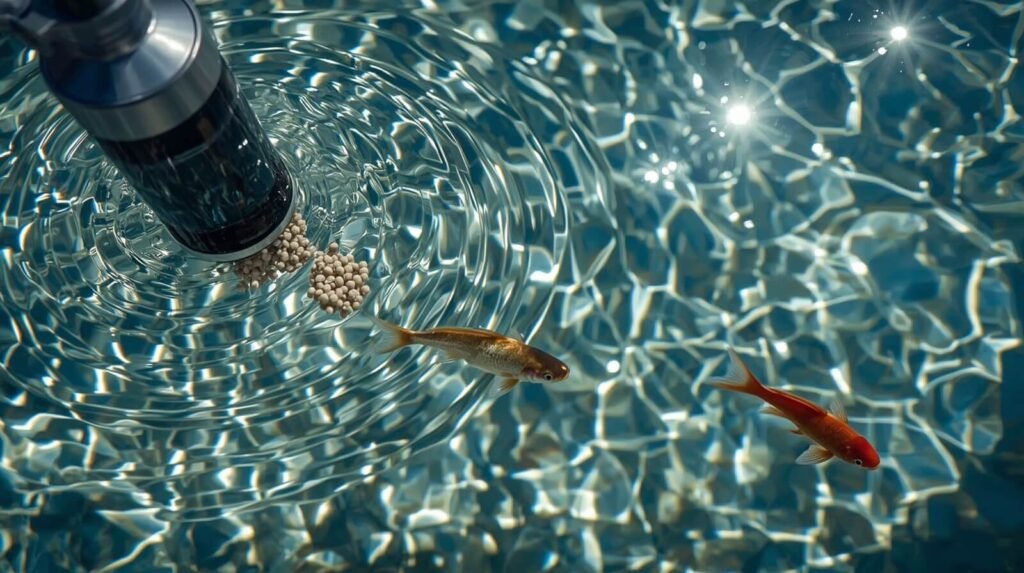
Here’s what typically happens when fish are left alone for different durations:
Duration | What Happens | Risk Level |
1–3 days | Fish live off natural reserves — no feeding needed. | Low |
4–7 days | Most species are safe if the pond is stable. | Medium |
8–14 days | Use an automatic feeder or slow-release block. | High |
15+ days | Ask a caretaker to check your pond and system. | Very High |
💡 Pro Tip: A balanced pond with clear water and healthy bacteria helps fish cope better during your absence. Avoid dumping extra food before you go — it does more harm than good.
How Long Can Fish Survive Without Food — Facts, Myths & Realities
When planning how to feed fish on vacation, it’s critical to understand how long fish can really go without food — and why doing nothing sometimes is safer than overfeeding.
What Science & Experts Say
- Many healthy pond and aquarium fish can tolerate 3 to 7 days without eating, especially if water conditions are stable.
- When planning how to feed fish on vacation, remember that most healthy fish can manage short fasting periods. As noted by Aquarium Co-Op, fish metabolism slows when food is scarce, helping them stay comfortable for several days in a stable, well-maintained pond.
- In a pond context, The Pond Guy highlights that outdoor ponds with mature ecosystems—full of algae, insects, and other natural food sources—can help fish go longer without feeding. Their article on Feeding Pond Fish explains how algae, weeds, insects, leeches, and worms act as naturally occurring fish food in healthy ponds.
- Because these biological resources provide supplemental nutrition, fish in well-established, balanced ponds can tolerate longer periods between feedings. Therefore, when planning how to feed fish on vacation, you can lean on nature itself — so long as your pond has a strong ecosystem base.
Variables That Affect Survival Time
Exactly how long your fish can go without food depends on several key factors:
Factor | Effect | Notes |
Water Temperature | Cold water slows metabolism, prolonging survival | In warmer water, fish burn energy faster |
Species & Size | Larger, slower-moving fish survive longer | Fry and small species have higher needs |
Pond Maturity | Mature ponds offer natural food sources | New setups are more vulnerable |
Water Quality & Filtration | Strong filtration keeps waste levels down | Poor filters lead to ammonia spikes that stress fish |
For example, koi or goldfish in a well-balanced pond may go 7–10 days without issue, while delicate tropical fish or fish in bare systems might face trouble in 3–5 days of starvation.
Common Myths About Feeding Before You Leave
- Myth: “Feed extra right before departure guarantees safety.”
In reality, overfeeding leads to uneaten food decomposing in the water — raising ammonia and nitrite, which can harm fish more than missing a meal. - Myth: “Fish need to eat every single day.”
While daily feeding is ideal in normal conditions, occasional fasting is natural and harmless — as long as water chemistry stays stable. Some fish keepers even use intermittent fasting as a health practice.
Guidelines by Duration
Here’s what you can typically expect based on how long you will be gone:
- 1–3 Days: Most fish will be fine without new food.
- 4–7 Days: Acceptable for many species if your pond is healthy.
- 8–14 Days: Use slow-release food blocks or auto feeders.
- 15+ Days: Combine automatic feeding with natural food sources or get someone to check in.
If your trip falls into the 8+ day range, planning ahead becomes essential.
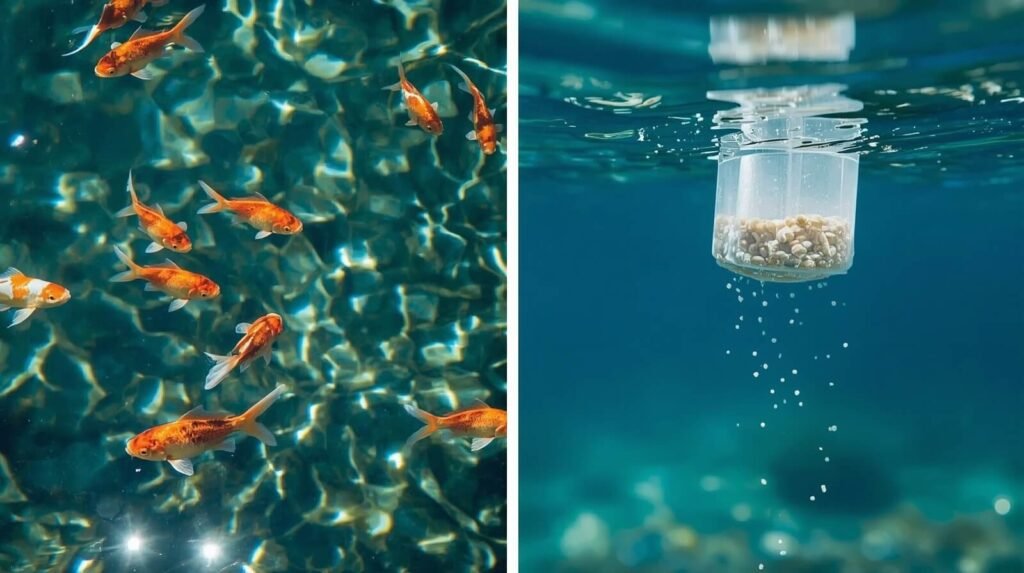
How Long Can Fish Survive Without Food?
When preparing for a trip, one of the biggest worries for fish keepers is how long their fish can go without food. Surprisingly, most healthy adult fish can survive for 7 to 10 days without eating — some even longer, depending on the species and pond conditions.
In a pond context, established outdoor systems—rich in algae, insects, and other natural food sources—can help fish tolerate longer gaps without feeding. For practical guidance on using slow-release feeders and other vacation strategies, FishLab’s vacation-feeding guide is a good, hands-on resource.
Likewise, The Pond Guy explains how mature ponds offer natural forage (algae, worms, insects) that supplements fish nutrition while owners are away.
However, if your pond is new or lightly stocked with plants and bio-life, supplementing with a vacation feeder or an automatic fish feeder is a smart choice. These devices keep the feeding schedule steady and prevent your fish from scavenging too aggressively.
Planning Ahead — Preparing Your Pond or Tank for Vacation
A well-prepared pond or aquarium can keep your fish healthy and stress-free even when you’re miles away. Learning how to feed your fish on vacation begins with setting up a stable, low-maintenance environment that can run smoothly without daily attention. Preparation is everything — from testing water quality to adjusting feeding routines and setting up automated systems that mimic your daily care habits.
Clean and Stabilize the System
Start your vacation prep about a week before you leave. Perform a partial water change (about 30%) roughly three to five days prior to your trip. This helps refresh the system without shocking your fish with sudden parameter shifts.
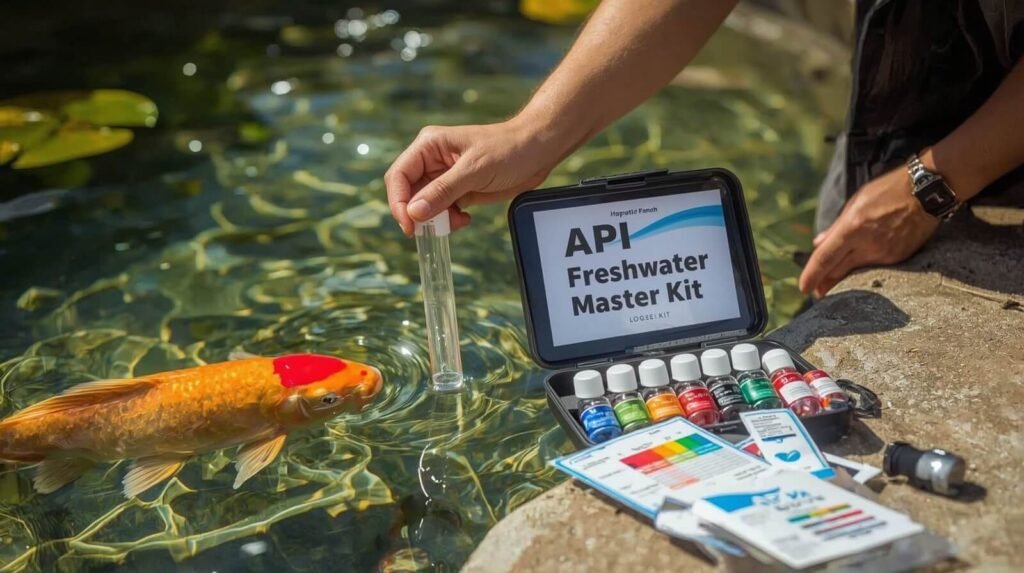
Next, gently rinse your filters in pond water — never tap water, since chlorine can kill beneficial bacteria essential for maintaining the nitrogen cycle. Check the basics: pH, ammonia, nitrite, and nitrate levels using a reliable test kit like the API Freshwater Master Kit, which helps you ensure everything is within safe limits before you go.
As noted in The Spruce Pets’ vacation care guide, stable water chemistry is the single most important factor for fish survival during extended absences. A clean, balanced pond can comfortably sustain your fish for days or even weeks if managed correctly.
Reduce Feeding Gradually Before You Go
When planning how to feed fish on vacation, a smart approach is to begin reducing feedings a few days before departure. Gradually taper the amount or frequency — for example, feed every other day during the week leading up to your trip. This helps your fish adjust metabolically and reduces the amount of uneaten food that could decay and raise ammonia levels.
According to Chewy’s expert tips on vacation feeding, healthy adult fish can safely go several days without food, especially if they’ve been properly conditioned beforehand. The key is moderation — you want your fish slightly less dependent on daily feeding before you leave, not starved.
Automate or Delegate Tasks
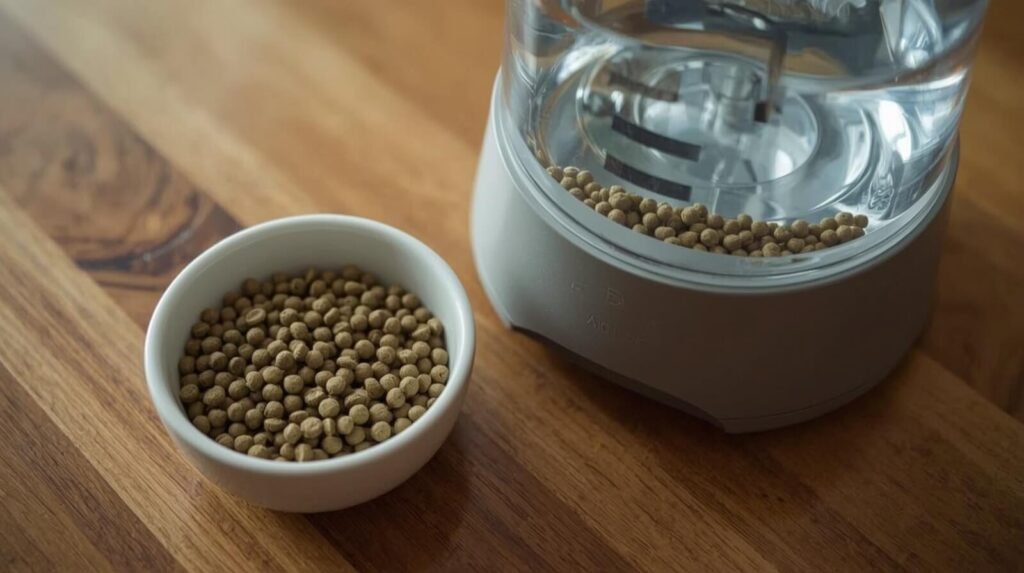
Automation is a modern fishkeeper’s best ally. Automatic feeders can dispense exact portions at scheduled times, reducing both underfeeding and overfeeding risks. Test your device for at least a few days before you leave — watch how it releases food and make sure pellets don’t clump due to humidity.
If automation isn’t your preference, you can delegate tasks instead. Teach a trusted friend or neighbor how to observe the pond: checking water movement, filter function, and fish activity. Avoid overloading them with complex instructions — just provide clear guidelines and maybe pre-measured food portions in labeled containers.
The team at Windsor Fish Hatchery recommends keeping your system as simple and stable as possible during holidays. The fewer variables that can change while you’re gone, the better your fish will fare.
Smart Feeding Tools: Vacation Feeders, Timers & App-Controlled Devices
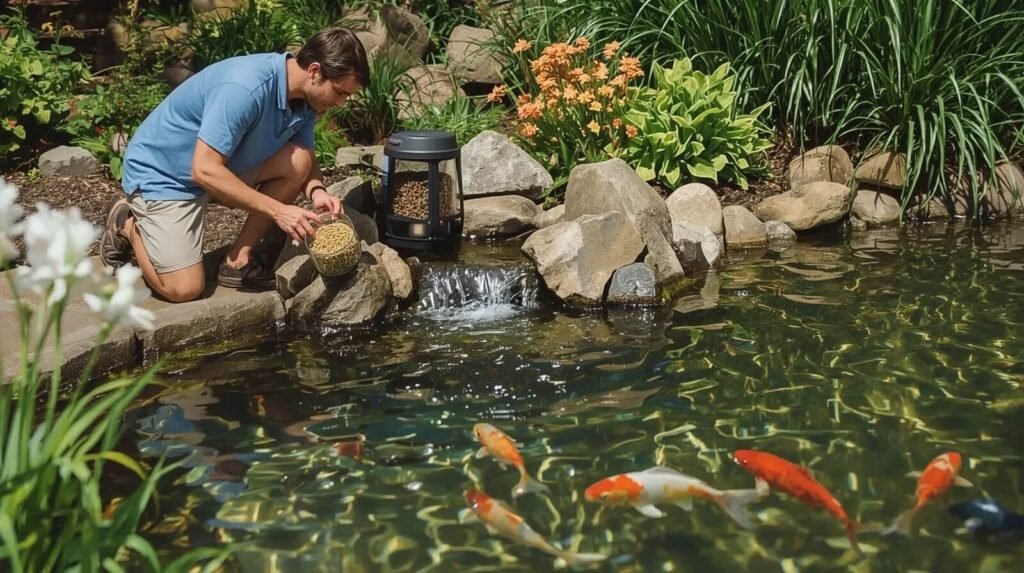
Technology has completely changed how to feed fish on vacation, allowing pond and aquarium owners to relax while ensuring their aquatic pets never miss a meal. From simple slow-release blocks to app-controlled smart feeders, these innovations make it possible to maintain your fish’s routine — even when you’re miles away.
Vacation Feeders (Slow-Release Blocks)
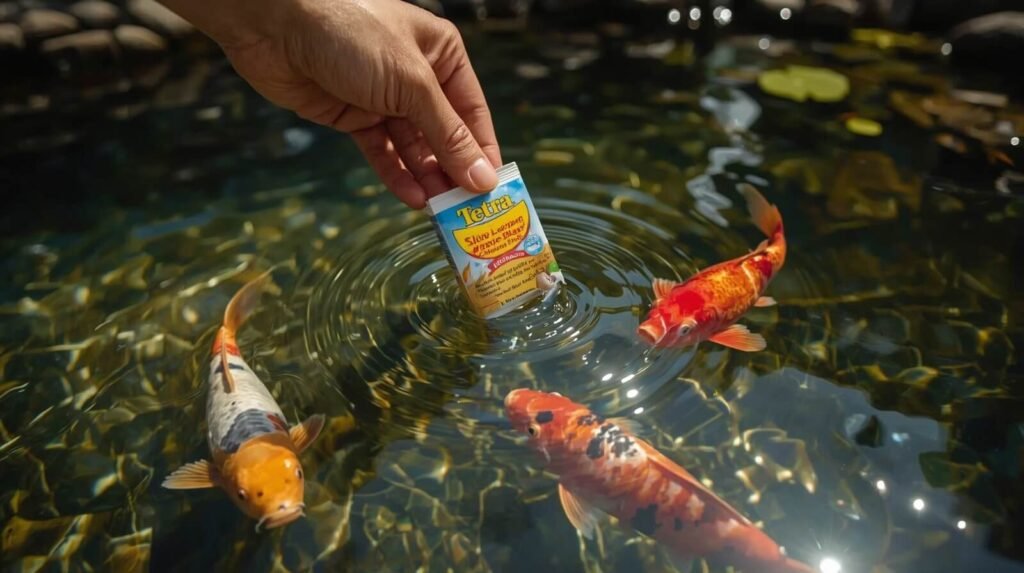
Vacation feeders, also known as slow-release blocks, are one of the most convenient options for short getaways. These gel- or calcium-based blocks slowly dissolve in water, releasing small amounts of food over several days.
They’re simple to use — just drop one into your pond or aquarium before you leave, and it does the work for you. Products like the Tetra Vacation Tropical Slow Release Feeder are ideal for short trips of 3–5 days.
Pros: They’re affordable, easy to install, and perfect for small tanks or lightly stocked ponds.
Cons: However, if overused, they can cloud the water or leave residue — especially in smaller tanks with limited filtration.
To keep things balanced, experts at Chewy’s aquarium care guide recommend testing one a few days before travel to see how it affects your water clarity and ammonia levels.
Automatic Fish Feeders (Electric Feeders)
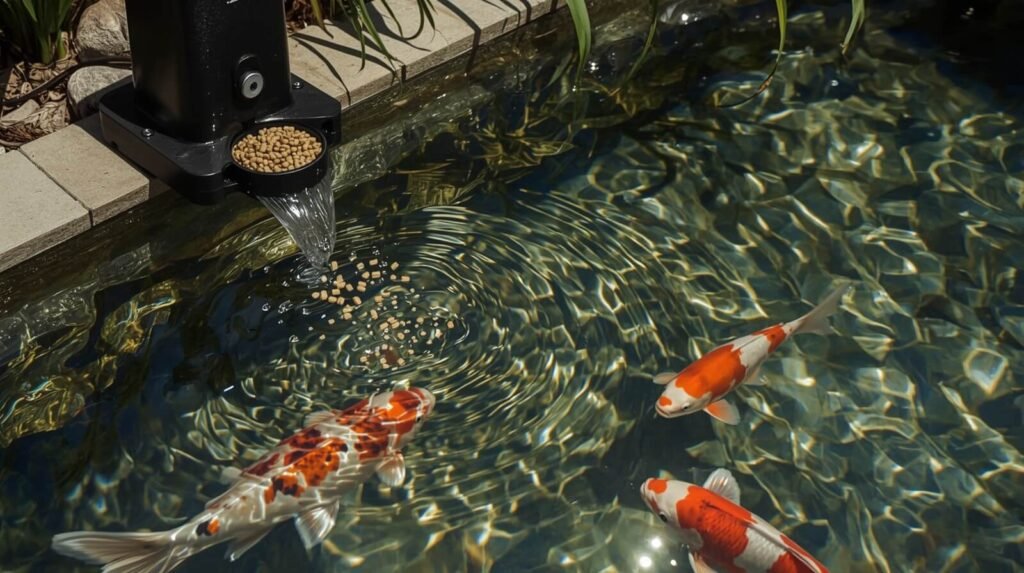
If you’re planning a longer trip or managing a large pond, an automatic fish feeder is your best ally. These electric devices can dispense pre-measured portions of pellets or flakes several times a day.
Top-rated models such as Eheim Everyday Feeder, NICREW Automatic Feeder, and even Bluetooth-enabled dispensers are often highlighted in reviews on Memeilo.com for their reliability and flexibility.
To get the best results, keep food dry, use high-quality pellets, and program the timer to match your regular feeding routine. As The Spruce Pets notes, maintaining consistency helps fish stay stress-free and reduces the risk of overfeeding while you’re away.
For outdoor ponds, consider adding a weatherproof cover to protect the unit from moisture or debris.
App-Connected Smart Feeders
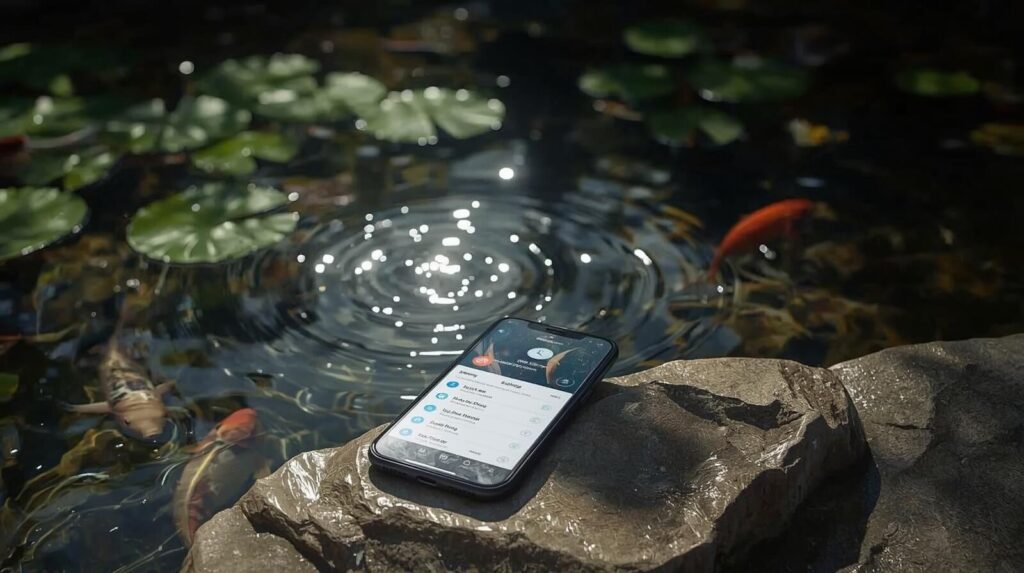
For those who love modern solutions, app-connected smart feeders take fish care to a whole new level. Devices like the Bluetooth Fish Feeder allow you to schedule and monitor feedings from your smartphone — even if you are halfway across the world.
These systems sync with mobile apps to provide real-time monitoring, feeding history, and even remote manual feeding options. You can adjust settings instantly, ensuring your fish are fed even if your travel plans change.
According to Windsor Fish Hatchery’s vacation care guide, integrating smart feeding tools with proper filtration and aeration ensures a stable ecosystem during long absences.
Natural Food Sources – Let Nature Help Your Pond
If you own an outdoor pond, nature can actually lend a helping hand while you’re away. One of the easiest and most eco-friendly methods for how to feed fish on vacation is to let your pond’s natural ecosystem take over for a while. When managed properly, it can provide steady nutrition and oxygen without relying entirely on feeders or human supervision.
Algae and Microorganisms as Backup Nutrition
A well-balanced pond naturally produces biofilm, algae, and microscopic organisms — all of which serve as valuable backup nutrition for fish. Small species like goldfish and koi instinctively graze on these surfaces, nibbling at the greenish film that forms on rocks, liner walls, and submerged plants. According to Windsor Fish Hatchery’s guide on preparing your pond before holidays, this biological layer acts like a “living pantry” when regular feeding is paused.
However, balance is key. Excess algae can quickly consume oxygen at night or during heatwaves, leading to fish stress. To prevent this, ensure your aeration system or waterfall runs continuously, and consider partial shade from lilies or floating plants to keep growth under control.
Aquatic Plants and Insects
Aquatic vegetation plays a vital role too. Water lilies, hornwort, and duckweed not only shade the water and keep temperatures stable but also shed organic particles that fish graze on naturally.
Floating plants are especially effective because their root systems attract tiny organisms, insect larvae, and crustaceans — all of which contribute to fish nutrition while you’re away.
According to the Aquascape article on aquatic plants and ecosystem balance, a properly planted pond supports a continuous food web where plants, insects, and microorganisms work together to keep fish supplied even in the absence of daily feeding.
By fostering this natural biodiversity, your pond becomes more self-reliant and less dependent on artificial food sources — a key strategy in how to feed fish on vacation with confidence.
How to Feed Fish When You Go on Holiday
Whether you’re heading out for a weekend getaway or an extended holiday, knowing how to feed fish on vacation gives you peace of mind. The good news? With the right preparation, your fish will stay healthy and active even while you’re away. Let’s look at the best feeding options based on how long you’ll be gone — from short trips to long escapes.
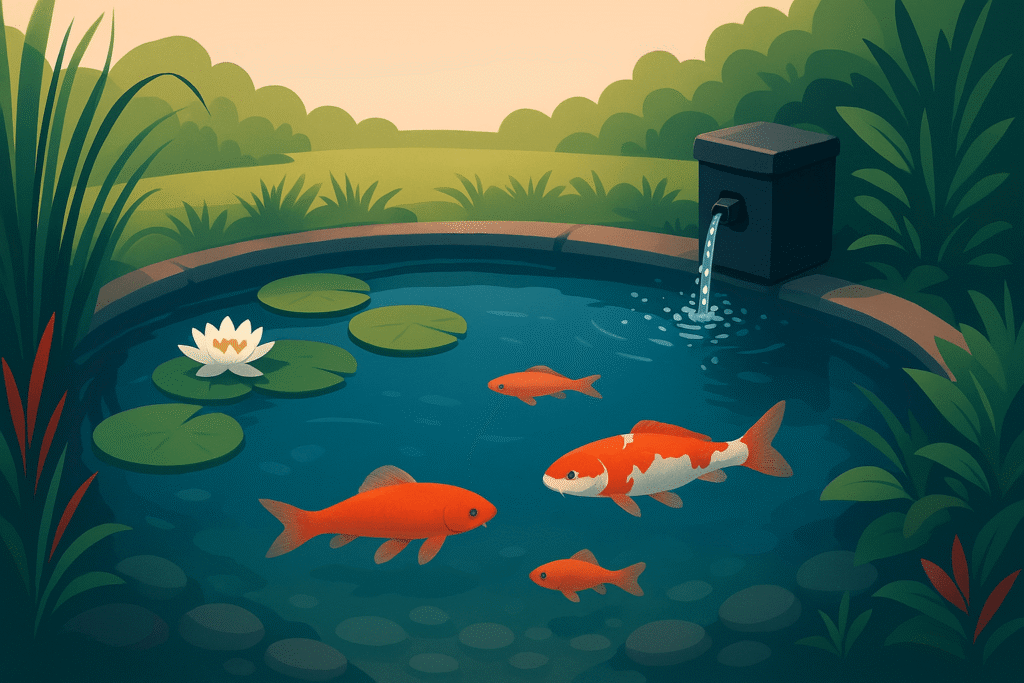
For Short Trips (1–4 Days)
If you are only gone for a few days, you will be happy to know that most fish don’t need feeding at all. Healthy, well-fed fish can safely fast for up to four days without harm. In fact, The Spruce Pets explains that short fasting periods can even benefit aquarium fish by reducing waste and giving filters time to process leftover organics .
Before you leave, feed your fish lightly — just enough for them to eat in under two minutes. Then, make sure your filter is running smoothly and your water level is topped up. These small steps help stabilize oxygen levels and prevent stress while you are away.
For Medium Trips (5–10 Days)
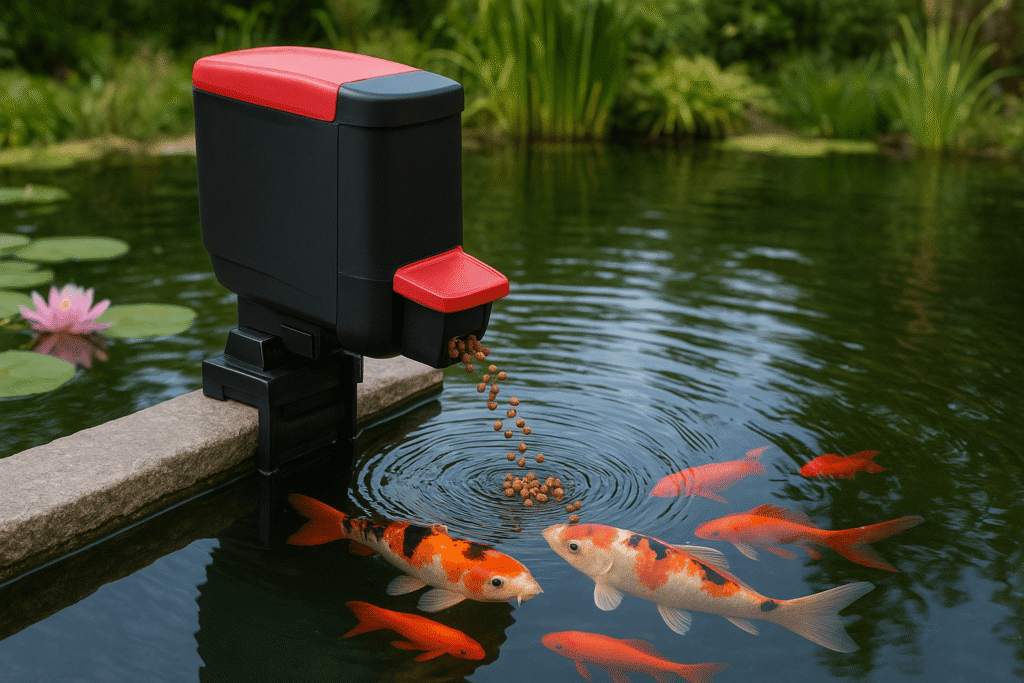
When planning a week-long trip, automation becomes your best friend. The easiest method is using an automatic fish feeder, which dispenses measured portions of food daily. For ponds or larger tanks, a waterproof feeder ensures consistent feeding without overfeeding.
Alternatively, you can use slow-release vacation blocks — compact feeding gels that dissolve gradually and release food over time. Chewy’s vacation fish guide notes that these are ideal for fish that graze slowly or for keepers without smart automation setups.
If possible, ask a trusted friend to check in midweek — not to feed the fish manually, but to confirm the feeder is working properly and that no clogs or water level issues have developed.
For Long Vacations (2–4 Weeks or More)
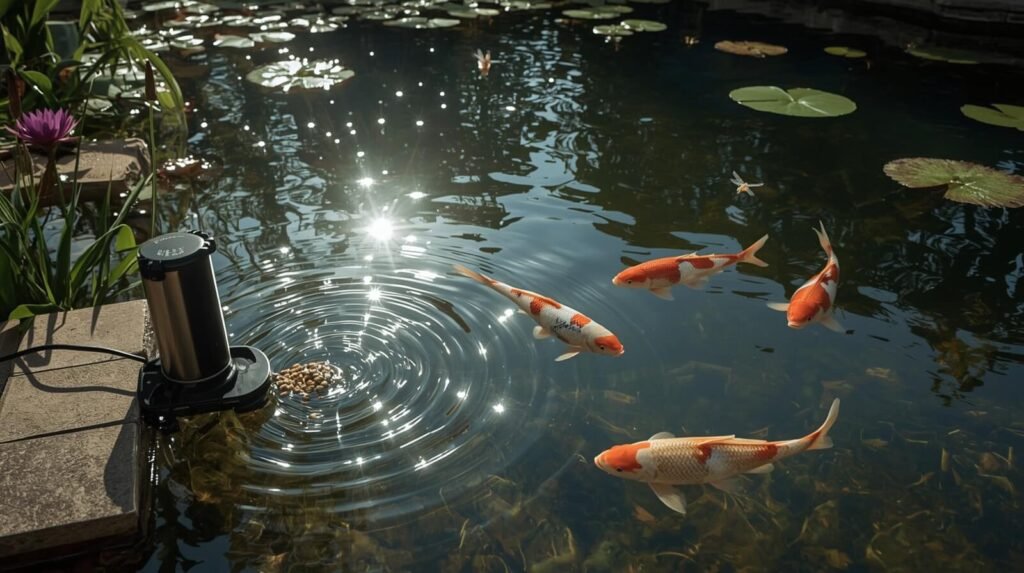
If you’ll be away for several weeks, it’s important to create a self-sustaining feeding system. For pond owners, combining automatic feeders with natural food sources—like algae, insect larvae, and biofilm—keeps fish nourished naturally.
Windsor Fish Hatchery recommends reducing feeding frequency before departure so your fish adjust to the new schedule. They also suggest adding floating plants such as water lettuce or duckweed, which not only provide natural shade but also host micro-organisms your fish can feed on.
To keep an eye on things remotely, install a Wi-Fi-enabled camera focused on the pond or tank. You can monitor feeding activity, check water clarity, and ensure everything’s running as expected. For longer absences, consider hiring a pond maintenance service — professionals can handle feeding adjustments, water quality checks, and equipment upkeep.
Safety Tips to Avoid Overfeeding or Water Pollution
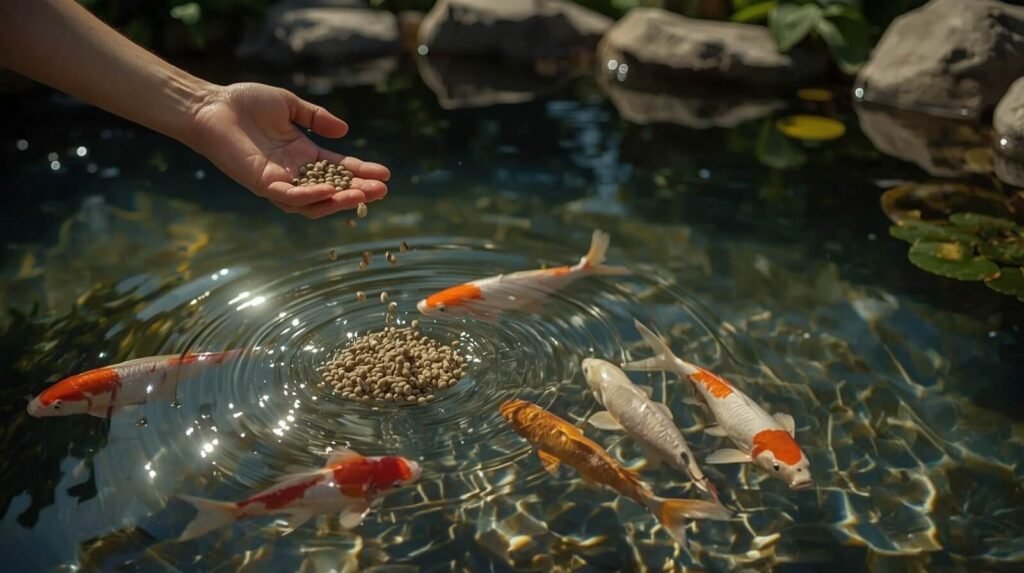
When it comes to pond health, feeding less is always safer than feeding too much—especially when you’re figuring out how to feed fish on vacation. For instance, leftover food sinks to the bottom and begins to rot, which in turn causes dangerous ammonia spikes. According to a solid guide on fish care while away from All Tropical Fish, using an automatic feeder is a wise move when you’re gone more than a few days.
Before you leave, check your filters to make sure they’re clear, functioning, and able to manage the load of uneaten leftovers. Then, once you return, use reliable test strips—refer to Memeilo’s Best Pond Test Kits for Beginners for guidance—so you can assess any hidden water quality issues like ammonia, nitrite, or low oxygen.
By simplifying feeding, checking filtration ahead of time, and testing afterward, you will return home to a clear, healthy pond and avoid hidden water crises.
What If You Return to Cloudy Water or Hungry Fish?
Even with careful planning, your pond or aquarium might look a little off when you return — but don’t panic. Cloudy or greenish water after a vacation is common, and it usually means your ecosystem just needs a bit of rebalancing. The good news? Fixing it is much easier than it looks once you understand how to feed fish on vacation and what happens while you’re away.
Start by testing your water parameters using a reliable kit like the API Freshwater Master Test Kit to check ammonia, nitrite, and nitrate levels. If they’re slightly off, perform a partial water change (about 30%) and clean debris from filters without overdoing it. Avoid changing all the water at once — sudden shifts can stress your fish.
Next, resume feeding slowly. Don’t double their portions, even if they seem extra hungry. As The Spruce Pets explains in their vacation fish care guide, fish adjust their metabolism to survive short fasting periods. Gradually returning to their normal feeding schedule prevents waste buildup and bacterial blooms.
If your pond water remains murky after a few days, consider adding a beneficial bacteria booster, such as Seachem Stability or Tetra SafeStart, to help restore biological balance. According to Windsor Fish Hatchery’s pond maintenance tips, these bacteria products jump-start filtration and quickly clear post-vacation haze.
Pro Tip: A little patience goes a long way. Within a few days of gentle water care and measured feeding, your pond will regain its clarity — and your fish will settle back into their healthy routine.
Where Do Fish Go on Vacation? (Fun Science Corner)
You might joke about fish taking their own vacation — and in a funny way, they actually do! When you’re wondering how to feed fish on vacation, it helps to know that fish naturally slow down when food becomes scarce. Their metabolism adjusts to conserve energy, allowing them to remain healthy even when meals are temporarily skipped.
According to The Spruce Pets’ guide on vacation fish care, most healthy aquarium fish can comfortably go several days — sometimes up to a week — without food, as long as the water conditions remain stable. They instinctively enter a mild “fasting mode,” reducing activity and digestion rates to preserve energy. This natural behavior is similar to how wild fish cope during periods when food is limited.
Interestingly, many aquarists find that short fasting periods can even benefit fish health. Digestive breaks help clear waste buildup and reduce the risk of bloating — a common issue among overfed aquarium species. As Chewy’s experts explain, this natural pause in feeding mimics the rhythm of wild ecosystems, promoting balance and overall well-being.
So, while you’re packing for your trip, rest easy knowing your fish aren’t missing out — they’re simply taking a calm, restful “staycation” of their own.
Where Do Fish Go on Vacation? (Fun Science Corner)
You might joke about fish taking their own vacation—and in a surprising way, they kind of do! When planning how to feed fish on vacation, it helps to understand that fish naturally slow down when food becomes scarce. Their metabolism adjusts, their swimming activity decreases, and they rely on stored energy or algae films to get by.
According to Your Fish Guide, many aquarium species can comfortably go a week or more without eating, as long as the water remains stable and oxygen levels are healthy. This natural “fasting mode” mimics how wild fish survive between meals in lakes and ponds.
In fact, a study shared by AquariumStoreDepot explains that short fasting periods can even benefit aquarium fish by improving digestion and reducing waste buildup. It’s nature’s way of keeping their systems clean and balanced.
So, while you’re away, your fish aren’t suffering—they’re simply enjoying a slow, restful “staycation” while their ecosystem does the heavy lifting.
Travel Easy, Feed Smart
With the right tools, timing, and a little preparation, you’ll never have to stress about how to feed fish on vacation again. Most fish are far hardier than we imagine — short fasting periods are completely natural and often healthier than overfeeding before you leave.
For longer trips, the smartest approach is combining automation and natural balance. Automated feeders ensure consistent portions, while live plants and algae offer a steady source of supplemental nutrition.
Ultimately, the goal isn’t just to keep fish alive while you’re away — it’s to keep your pond ecosystem thriving. With a smart feeding plan, proper aeration, and reliable testing, your fish will stay calm, healthy, and well-fed even in your absence.
Ready to upgrade your setup? Explore our top picks for smart pond feeders and oxygenation tools today on memeilo.com.